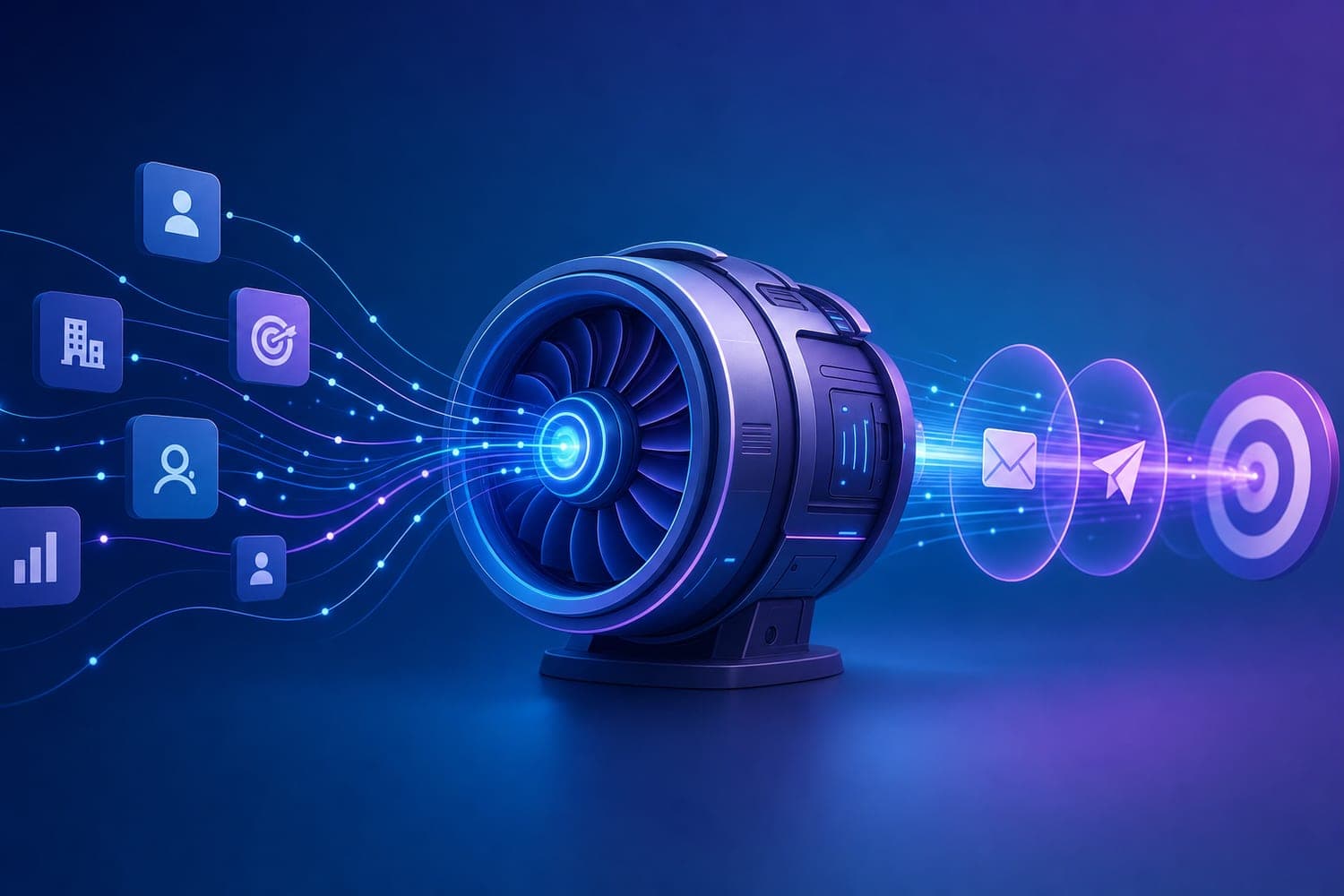
Most founders and sales teams struggle with inconsistent pipeline flow. They send batch campaigns, hope for replies, and often end up chasing cold leads that go nowhere. The solution? An always-on outbound engine—an automated, persistent system that continuously generates qualified conversations without manual effort.
What Is an Always-On Outbound Engine?
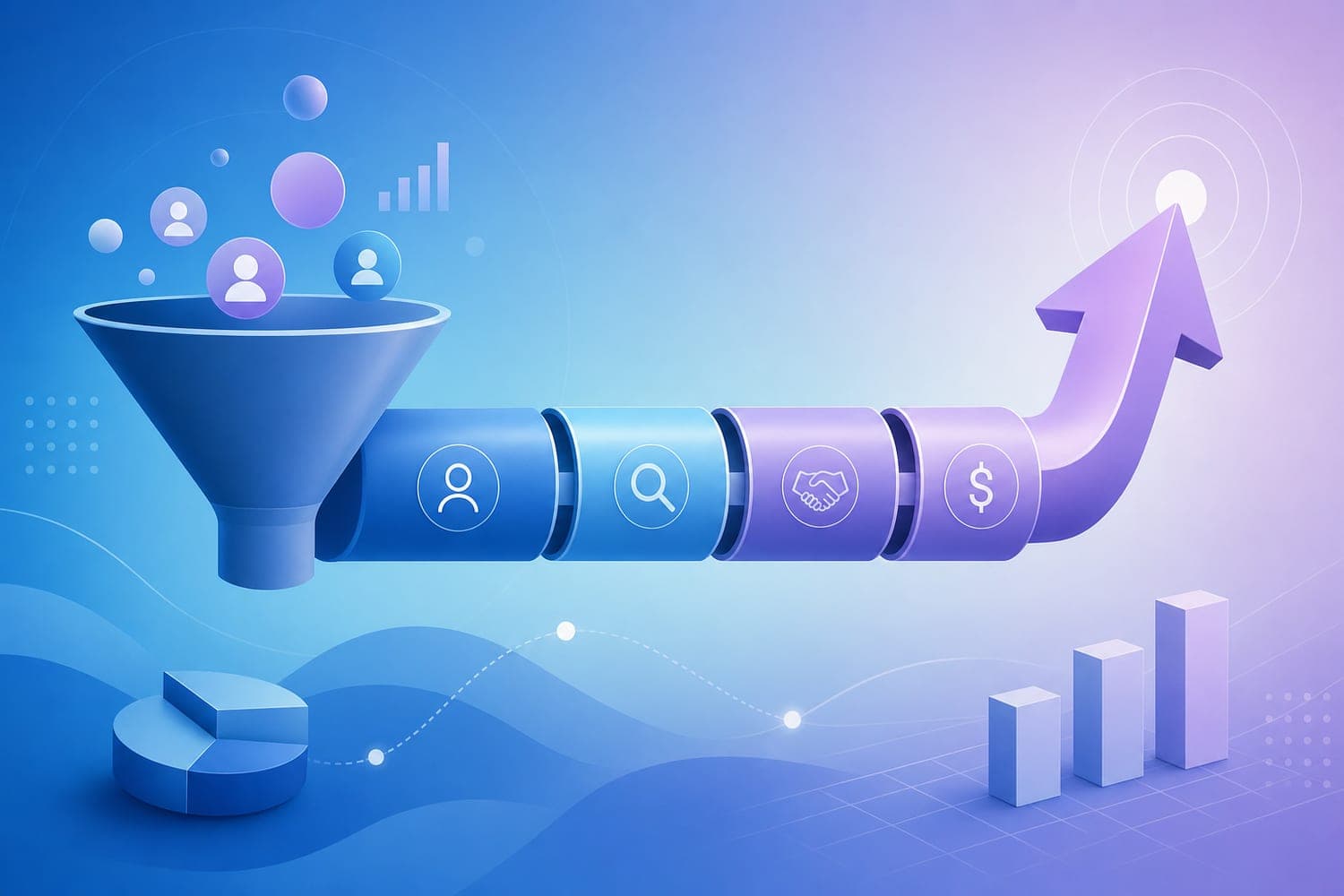
An always-on outbound engine is a systemized sales motion that runs 24/7, reacting to real-time signals and engaging prospects across multiple channels. Instead of sporadic campaigns, it’s a continuous pipeline generator that adapts to market changes and buyer behaviors.
This engine relies on a combination of high-quality data, technical infrastructure, and signal-led prospecting. It’s built to operate autonomously, with AI assistants handling low-level personalization, sequencing, and even initial outreach. The goal is to create a predictable, scalable flow of conversations that move prospects through the funnel.
Tools like Mark can automate this entire workflow from a single conversation, replacing the need for a large, manual team.
How Do I Automate Outbound?
Automating outbound requires shifting from manual prospecting to a system-driven approach. It starts with signal detection—tracking funding rounds, job changes, product launches, or technographic shifts—and then automates data enrichment to verify contact details.
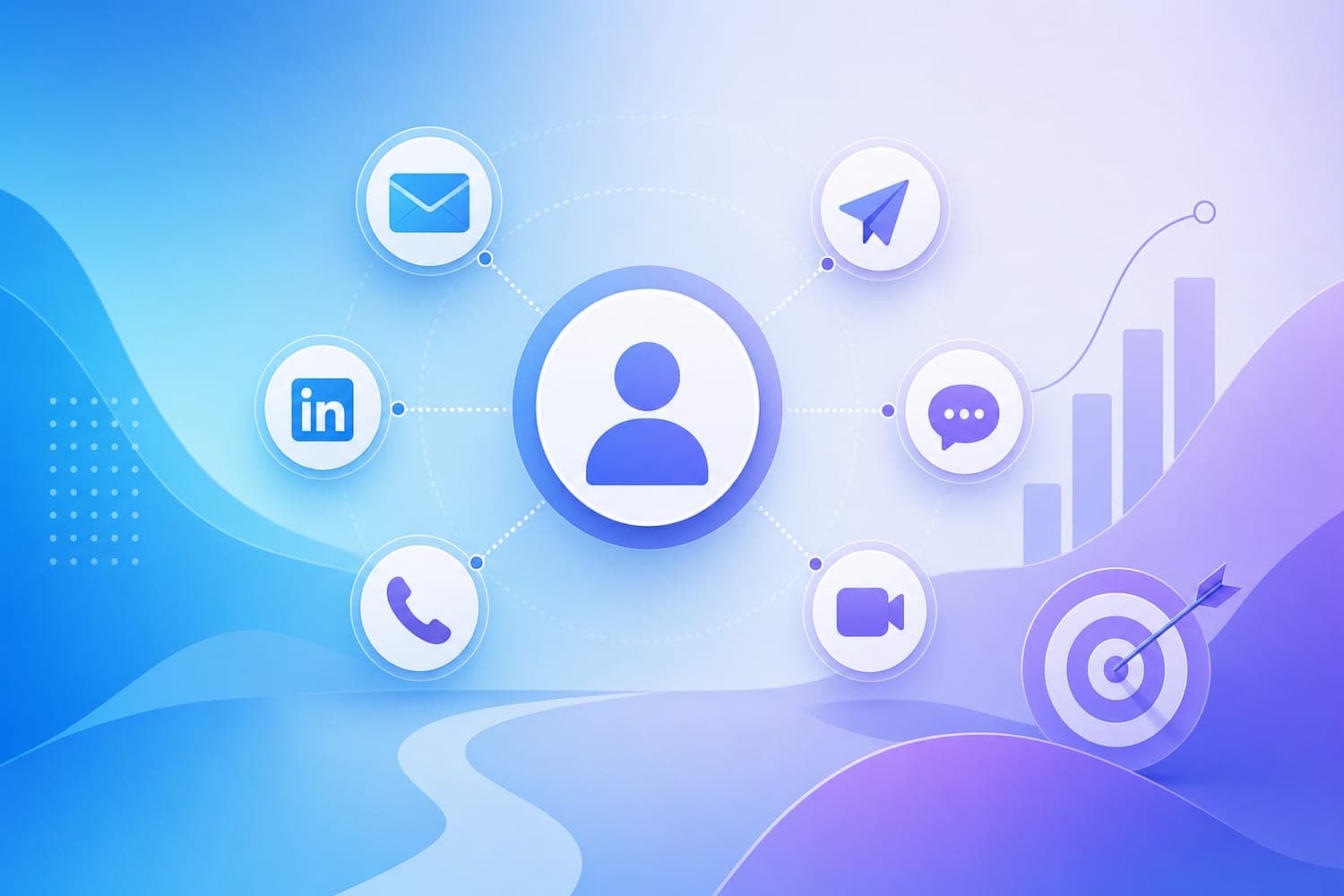
Once you have verified data, orchestration platforms trigger multi-channel sequences—email, LinkedIn, phone calls, and even video outreach—based on prospect behavior. AI-powered signals can identify the right moment to engage, increasing reply rates significantly.
Instead of stitching together six tools, try Mark—it builds and runs the whole pipeline, continuously optimizing based on response data.
Building the Technical Foundation
Most teams overlook the importance of deliverability infrastructure. High-volume outreach demands dedicated domains, SPF/DKIM/DMARC setup, and automated mailbox warm-up. Without this, your messages will land in spam, killing your campaign.
Data quality is equally critical. Use waterfall enrichment tools like Clay or Apollo to verify contact info across multiple sources automatically. This reduces the 'contextualization tax'—the time spent manually researching each lead.
Signal-Led Prospecting
Moving away from static lists, signal-led prospecting uses real-time triggers. For example, a company hiring for a GTM role or launching a new product can be a trigger for outreach. These signals are highly predictive of buying intent.
AI can monitor these signals and automatically add new prospects to your pipeline, ensuring your outbound engine is always fresh and relevant.
Can Outbound Run Without a Team?
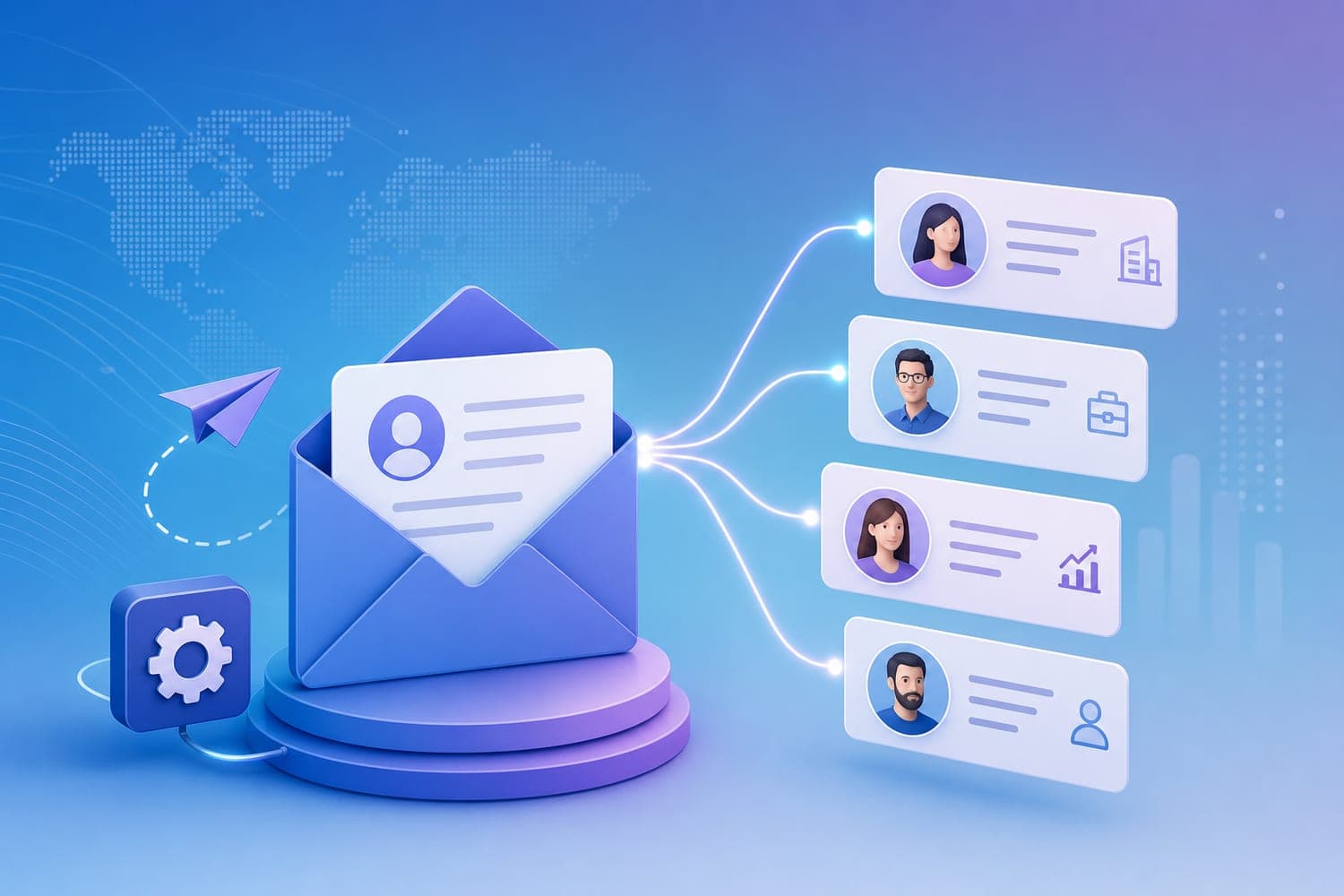
Yes, most of the heavy lifting can be handled by autonomous AI agents—sometimes called 'Digital SDRs.' These agents research leads, personalize outreach, and even handle initial conversations without human intervention.
For founders or solo operators, this means you can run a high-volume outbound system with minimal human oversight. You set the parameters, validate the ICP and messaging, and let the AI handle the daily grind.
Tools like Lindy or Warmly act as AI sales assistants, working 24/7, never forgetting a follow-up, and staying perfectly on-message. Human involvement remains critical for high-stakes relationships and closing deals, but the prospecting and initial engagement can be fully automated.
Designing a Multi-Channel Sequence
Most buyers now use over 10 channels during their decision process. An effective outbound engine integrates email, LinkedIn, phone calls, and even video outreach into a coordinated sequence.
Trigger-based outreach—where a prospect’s action (like visiting your pricing page) initiates a personalized message—can yield reply rates 4x higher than generic cold outreach.
Automation platforms can orchestrate these sequences, ensuring touchpoints are timely and relevant. Mark can help build these multi-channel flows that run continuously.
Tracking and Optimizing Your Engine
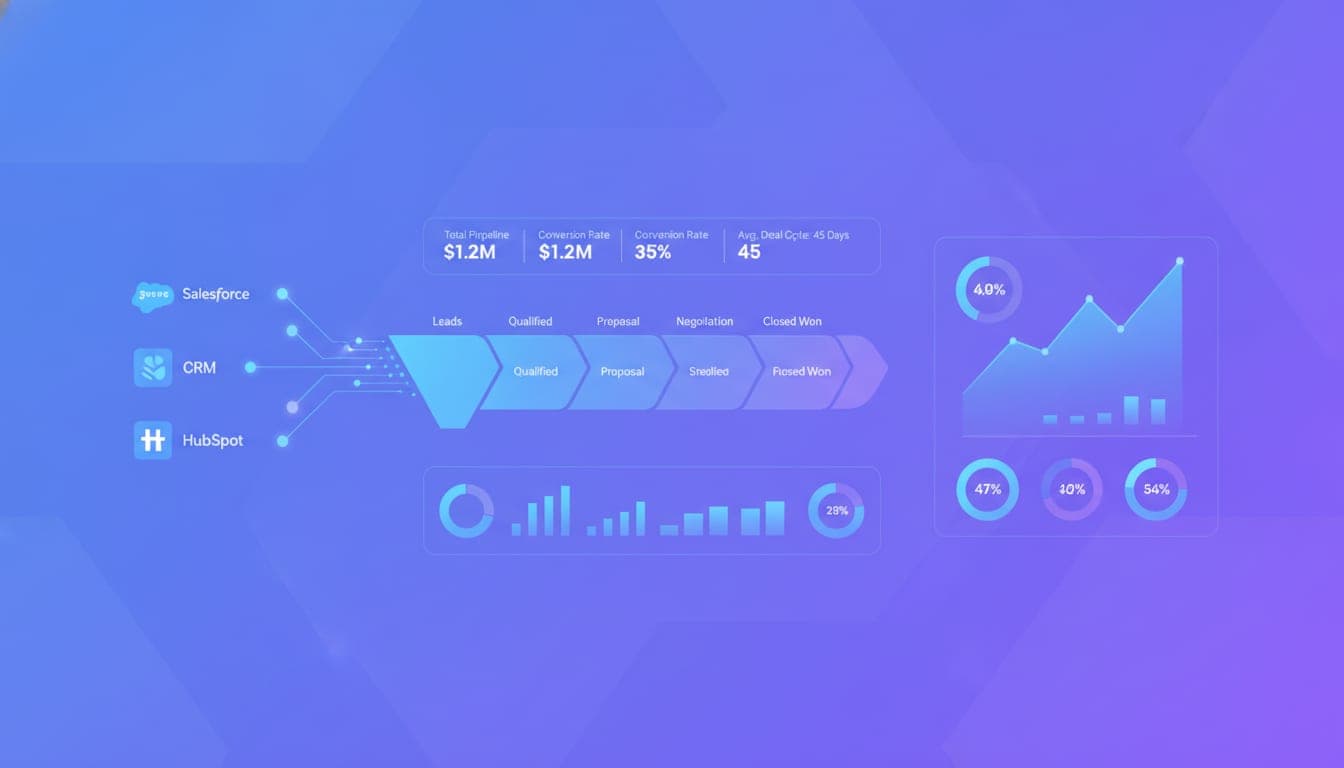
An always-on outbound system isn’t set-and-forget. It requires continuous monitoring of KPIs like pipeline velocity, answer rates, and signal-to-meeting conversions. Post-outbound attribution—tracking the halo effect on inbound search and direct traffic—is essential to justify the investment.
Most successful teams invest heavily in deliverability infrastructure, rotating domains, and inbox management to beat spam filters. They also use AI to analyze response patterns and optimize messaging in real-time.
Final Thoughts
Building an always-on outbound engine is about creating a self-sustaining, signal-led prospecting system that operates 24/7. It replaces manual, batch outreach with a continuous flow of qualified conversations, scaling your GTM efforts without proportional increases in headcount.
If you’re still doing outbound manually, tools like Mark can automate the entire process—from signal detection to multi-channel outreach—so you can focus on closing deals, not chasing leads.
Most teams underestimate the power of technical infrastructure and data quality. Without a solid foundation, even the smartest AI won’t deliver results. Invest in your deliverability, verify your contacts, and use signals to stay relevant.
An always-on outbound engine isn’t just a nice-to-have; it’s becoming a necessity in a buyer’s world where 83% of the journey is self-directed. The question is: are you ready to automate your way to predictable revenue?