Most founders and sales teams struggle with fragmented outreach efforts. They rely on disjointed tools, inconsistent messaging, and guesswork. The result? Low response rates, wasted time, and missed opportunities. In 2026, the key to success is building a cohesive, multi-channel outreach campaign that leverages AI and automation to coordinate every touchpoint.
What is Multi-Channel Outreach?
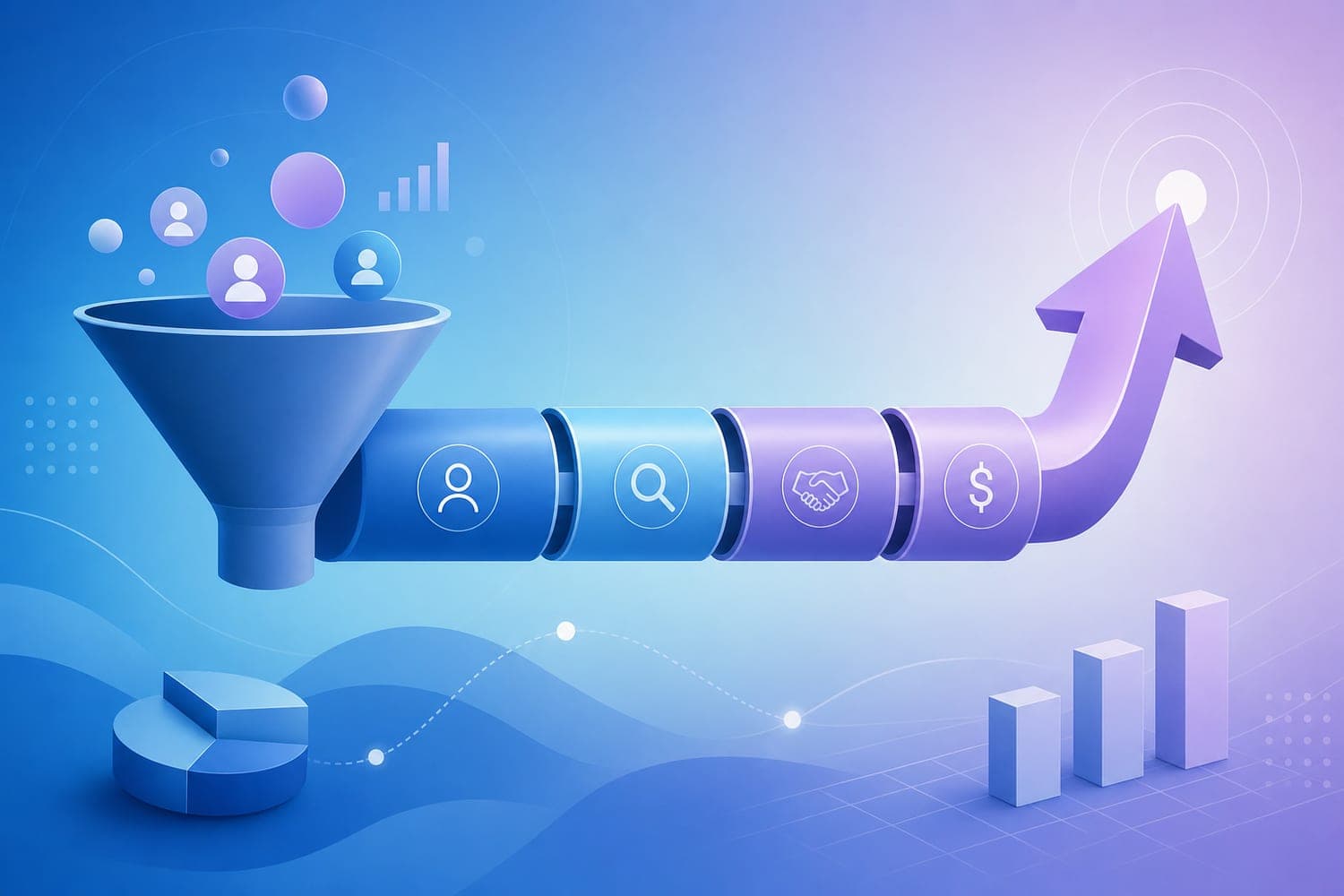
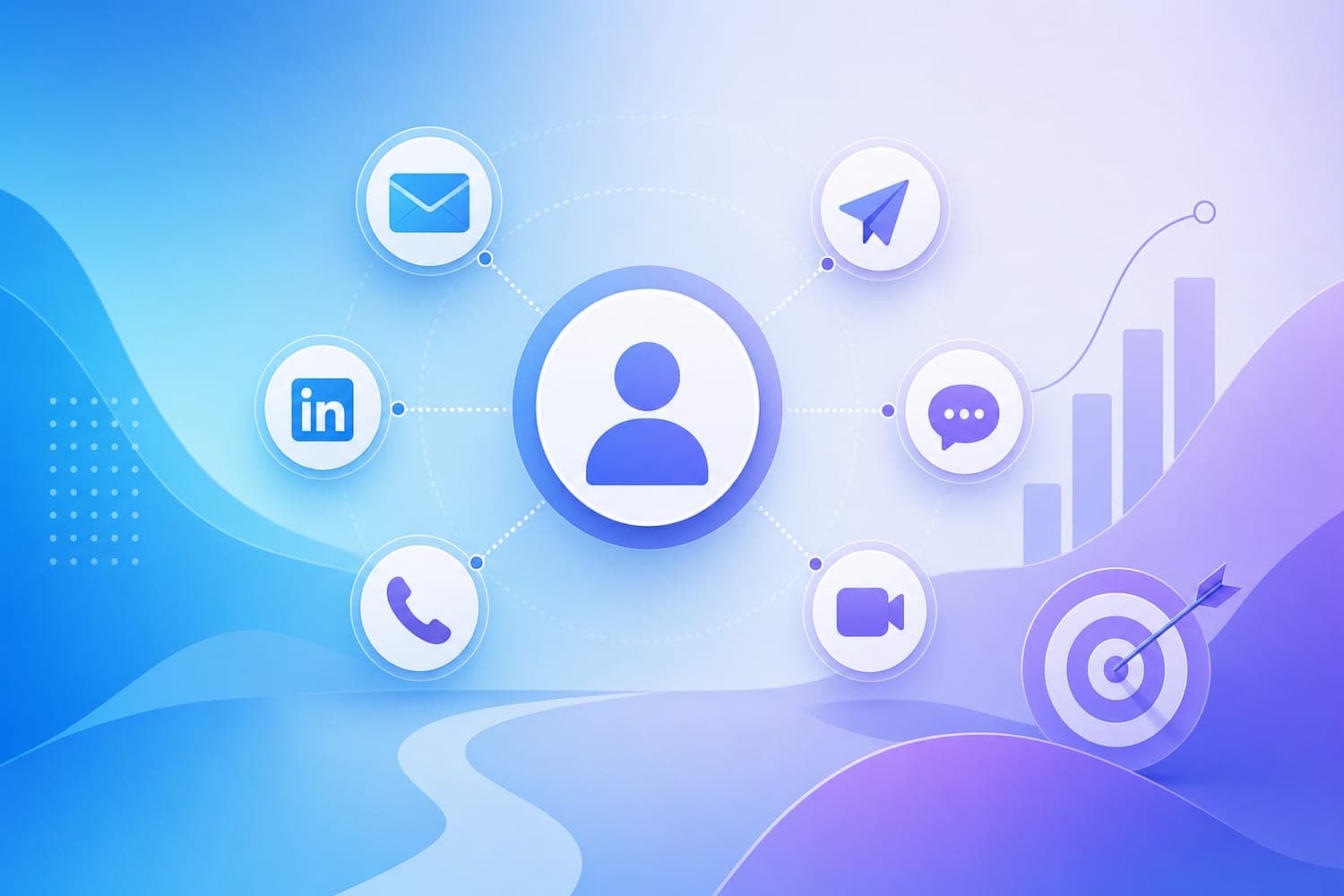
Multi-channel outreach involves engaging prospects across different platforms—like email, LinkedIn, phone, and even offline channels—to create a unified experience. Instead of random blasts, it’s about sequencing personalized touches that build familiarity and trust.
According to recent studies, campaigns using three or more channels see a 287% higher purchase rate than single-channel efforts (source). This approach not only increases response rates but also improves customer lifetime value.
How Do I Run Multi-Channel Outreach?
Running an effective multi-channel outreach campaign requires careful planning and execution. Here’s how to do it:
1. Define Your Ideal Customer Profile (ICP)
Start by identifying who your best customers are. Segment your leads based on firmographics, behavior, and intent signals. Use tools that enrich your data to verify contact details across channels.
2. Design a Multi-Touch Cadence
Create a sequence that spans 14-21 days, alternating channels to avoid fatigue. For example:
- Day 1: Personalized email
- Day 2: LinkedIn profile visit or comment
- Day 4: Connection request with a short note
- Day 7: Follow-up email referencing LinkedIn activity
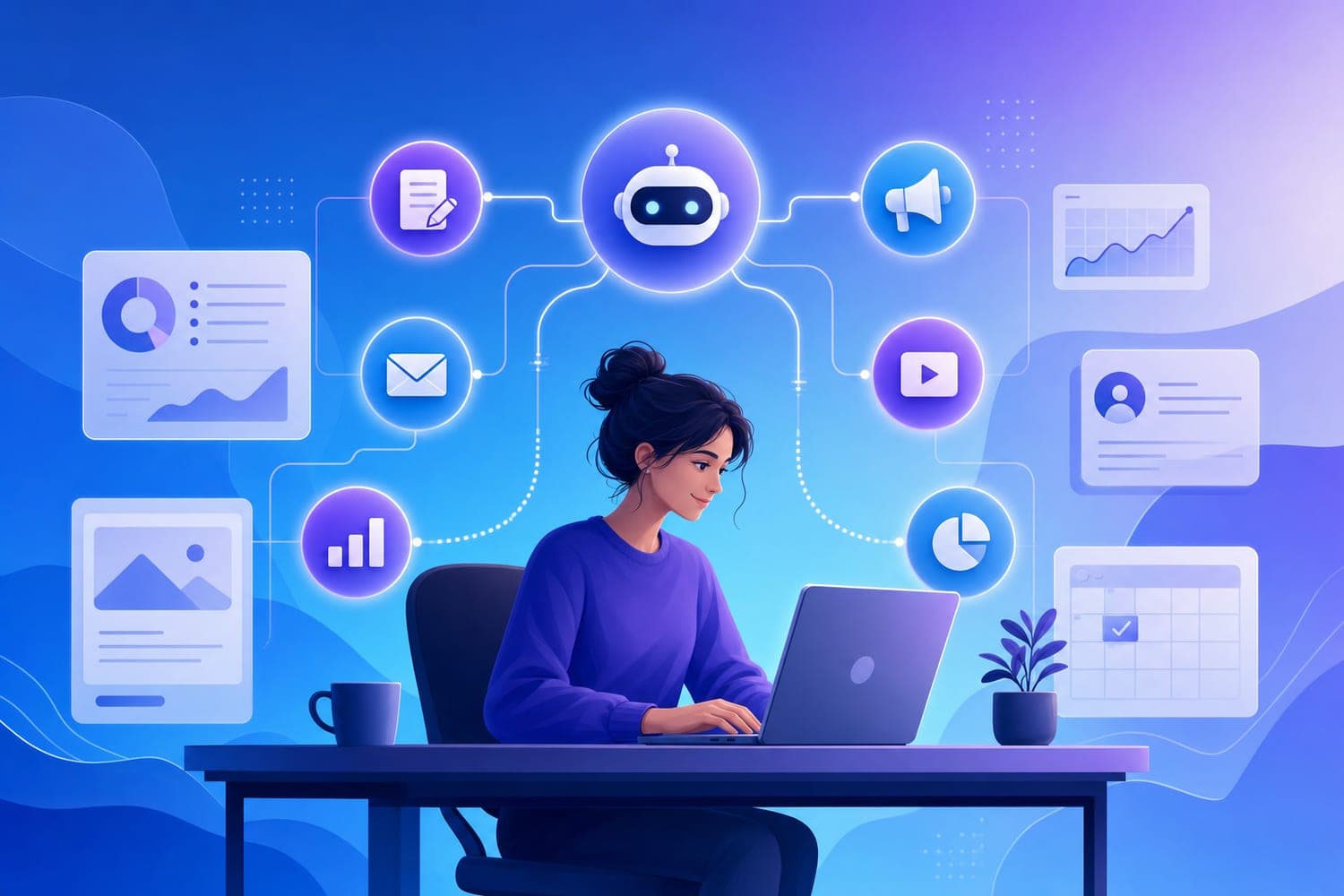
Each message should add unique value—don’t just copy-paste the same pitch across platforms. Tools like Mark can automate this entire workflow from a single conversation.
3. Use Intent-Triggered Outreach
Leverage AI to detect signals like job changes, website visits, or funding news. When a trigger occurs, your system can automatically initiate a personalized outreach sequence. This real-time responsiveness significantly boosts engagement.
4. Automate and Personalize at Scale
AI-driven personalization, such as generating custom videos or voice notes, can dramatically increase reply rates (15-25%) compared to industry averages (3-5%) (source).
5. Maintain Respectful Frequency
Avoid overloading prospects. A typical 14-day sequence with 10-14 steps is enough. Use data to verify in real-time that your outreach remains relevant and non-intrusive.
What Channels Work for B2B Outreach?
Most successful B2B outreach in 2026 combines email and LinkedIn, with supplementary channels like phone, WhatsApp, and even offline direct mail. Here’s a quick breakdown:
| Channel | Purpose | Response Rate (approx.) |
|---|---|---|
| Formal, detailed communication | 6% (industry average) | |
| Social selling, rapport building | 10.3% response rate (source) | |
| Phone | High-touch, high-value conversations | Varies |
| WhatsApp/SMS | Immediate, high response (up to 45%) | source] |
Should I Combine LinkedIn and Email Outreach?
Absolutely. Combining LinkedIn and email creates a multi-touch memory loop that can increase response rates by over 280%. Most B2B buyers need 7-13 touches before engaging. Using both channels ensures you stay top of mind without seeming pushy.
LinkedIn offers social proof and identity validation, making your outreach more credible. Meanwhile, email allows for detailed value propositions and attachments. When prospects see your name on both platforms, trust builds faster.
How to Integrate Offline and Digital Channels?
While digital channels dominate, offline touches like handwritten notes or direct mail still have a place. They act as pattern interrupts in a crowded inbox. For high-value accounts, a well-timed physical card can make your outreach stand out.
Integrating offline with digital requires a unified data system. Use first-party data to personalize every touchpoint, whether digital or physical. AI can help coordinate these efforts, ensuring your message remains consistent.
Final Thoughts
Most teams still rely on disjointed tools and manual sequences. In 2026, the winning approach is a unified, AI-powered multi-channel outreach system that personalizes at scale and responds in real-time to signals.
Tools like Mark can automate this entire workflow from a single conversation, freeing your team to focus on high-value interactions. If you're still doing outreach manually, you're leaving response rates on the table.
Comment below with your biggest outreach challenge, and I’ll send you a tailored sequence template. Or, if you want to see how Airtop’s platform can help, try Mark — it builds and runs the whole pipeline.