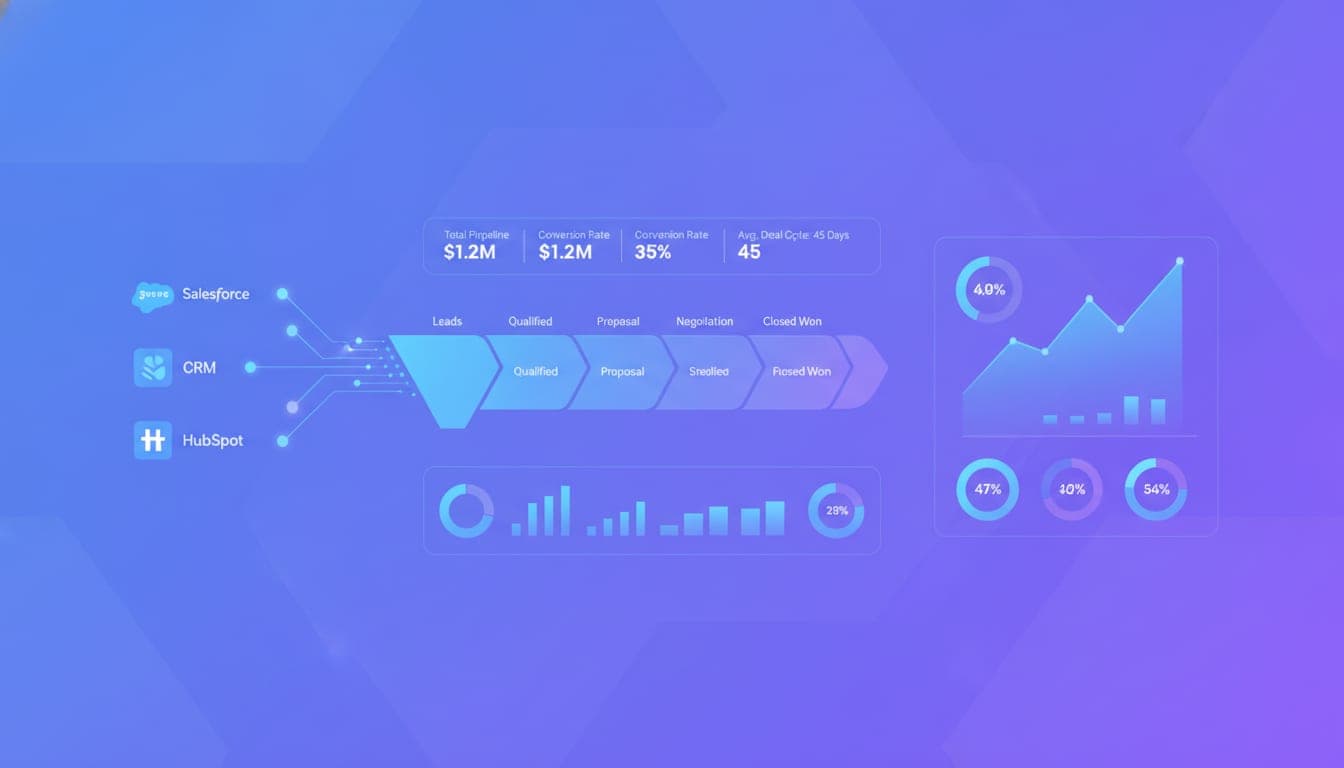

Most founders and GTM leaders ask: how do I build a revenue pipeline without a RevOps team? The truth is, you can create a highly effective pipeline without hiring a dedicated RevOps professional—if you focus on automation, clear process design, and cross-functional governance.
In this article, I'll walk you through practical steps to establish and maintain a revenue pipeline that scales, even when resources are tight. Whether you're a non-technical leader or a small team, these strategies will help you avoid common pitfalls and build a lean, automated engine.
Why Building a Revenue Pipeline Without RevOps Is Possible
Most teams think they need a RevOps hire to get their pipeline in order. But the reality is, most of the foundational work can be done with lightweight automation and smart process design. According to recent research, 78% of small business revenue loss happens in the follow-up gap, often due to manual, non-automated systems (Desert West Digital).
By focusing on systems over people, you can establish a predictable, scalable pipeline that doesn't depend on a full-time operations hire. This approach is especially relevant for early-stage companies or teams with limited budgets.
Building the Foundation: Systems Over People
Choose the Right CRM
Start with an intuitive, out-of-the-box CRM like HubSpot or Airtable that requires minimal custom coding. The goal is to create a single source of truth that your team can use consistently. Avoid complex, heavily customized systems that demand dedicated admin support.
Automate Data Hygiene
Use AI-powered tools or native CRM features to automate lead scoring, data enrichment, and pipeline updates. Tools like Mark can automate this entire workflow from a single conversation, reducing manual admin work and ensuring data accuracy.
Define Clear Pipeline Stages
Most teams struggle with inconsistent stage definitions. Establish objective, buyer-validated milestones—such as "Budget Confirmed" or "Solution Validated"—rather than subjective seller activities. This makes forecasting more reliable and reduces pipeline bloat.
Cross-Functional Governance: The Internal Steering Committee
Without a RevOps hire, you need a lightweight governance model. Form a cross-functional 'RevOps Committee' comprising leaders from sales, marketing, and customer success. Meet weekly for 60-90 minutes to review pipeline health, fix leaks, and align on definitions.
This committee acts as a shared accountability group, ensuring everyone follows the same process and data standards. It's a practical way to maintain pipeline hygiene and process discipline without a dedicated RevOps role.
Automating the Heavy Lifting
Use AI and No-Code Tools
Automation is your best friend. Use AI agents to log meetings, update deal stages, and trigger follow-up sequences. No-code platforms like Airtable, Zapier, or Mark can connect your tools and automate routine tasks.
Implement Trigger-Based Sequences
Set up automated email sequences that fire when a deal reaches a certain stage or when a lead is inactive. This keeps your pipeline moving without manual intervention.
Regular Data Audits
Schedule weekly or bi-weekly database deduplication and cleanup sessions. Use AI tools to identify duplicates or data decay, ensuring your pipeline remains reliable.
Managing the Pipeline as a Solo or Small Team
Prioritize Ruthlessly
Most small teams focus on the biggest leaks first. Identify the stage where leads drop off most often and optimize that part of the process. Use simple dashboards to track conversion rates and pipeline velocity.
Build a Manual, Repeatable Prospecting System
When tech resources are limited, manual outbound prospecting—guided by a clear playbook—can generate qualified meetings. Focus on mastering a single, repeatable outreach message or 'founder's hook' before scaling.
Use Data to Inform Decisions
Even without a RevOps team, you can track key metrics like win rate, average deal size, and sales cycle length. Use these insights to refine your process and focus on high-impact activities.
What Does a Pipeline Look Like Without a RevOps Hire?
Without dedicated RevOps, your pipeline might initially resemble a disjointed spreadsheet or a chaotic collection of untracked deals. Many startups fall into this trap, leading to revenue leakage and longer sales cycles (Vantage Point Performance).
However, with a lean, automated system—powered by AI and no-code tools—you can create a reliable, scalable pipeline that functions as an engine rather than a guessing game. This setup allows your team to focus on closing deals, not fixing data or managing manual processes.
Final Thoughts: When to Hire Full-Time RevOps
Most companies find that after 6-12 months of running a lean, automated pipeline, they reach a point where a dedicated RevOps hire becomes necessary. Look for signs like persistent data quality issues, process bottlenecks, or forecast inaccuracies. Until then, focus on building systems, automating workflows, and fostering cross-team accountability.
If you're still doing this manually, tools like Mark can automate this entire workflow from a single conversation, freeing you to focus on strategic growth.
Building a revenue pipeline without RevOps isn't just possible—it can be more efficient and adaptable. The key is to start with systems, automate relentlessly, and build a culture of shared process ownership.