
How Do You Write Cold Emails That Don't Sound Like Everyone Else's?
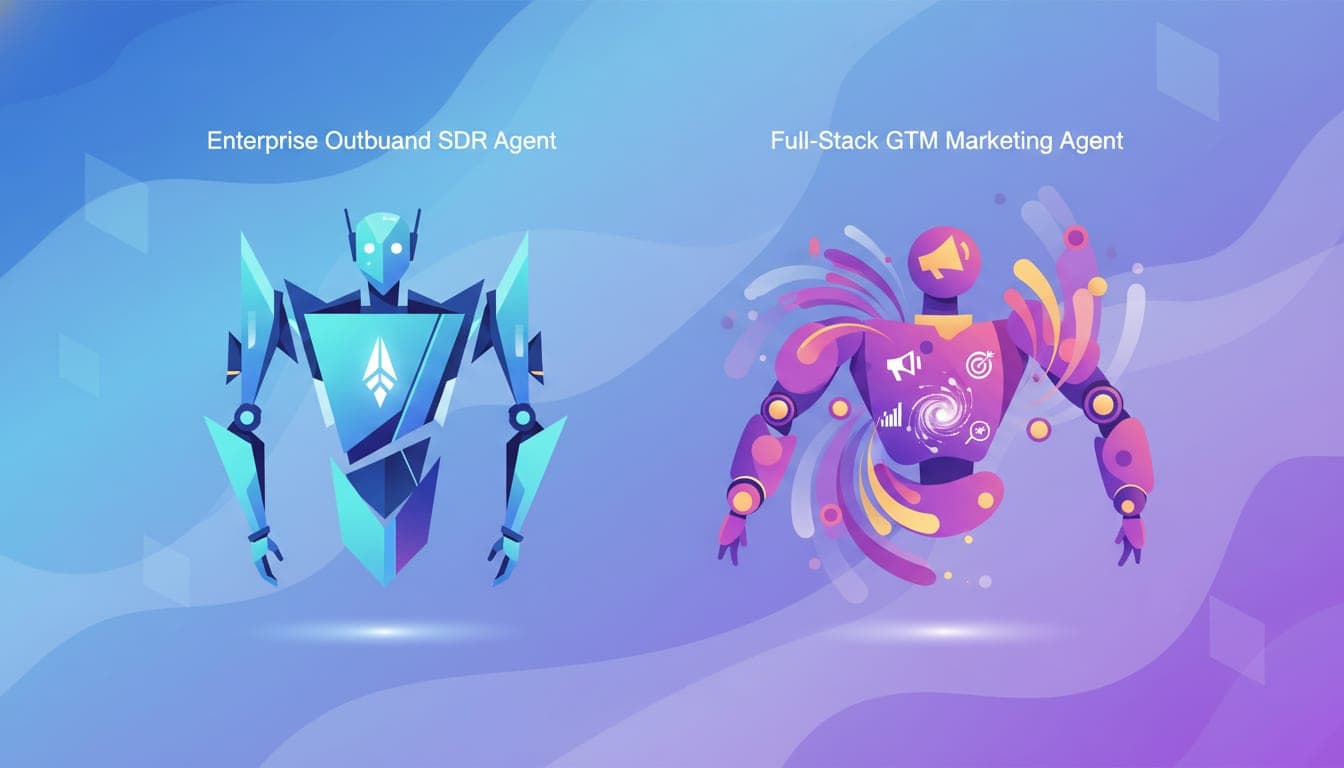
You research each prospect individually and write each email from scratch. That doesn't scale when a human does it. It does when an agent does it. Airtop Mark reads each lead's LinkedIn history, finds a specific observation, and writes one email for one person.
What you say to Mark
"Write cold emails for my lead list. No templates. Research each person's LinkedIn profile and career history. Find something specific about their situation and open with that. No product pitch, no links, no meeting ask. Just a genuine question under 75 words."
Hand Mark the leads. It writes every email individually.
Why templates don't work in 2026
You know the formula. First name merge tag. Company name merge tag. "I noticed your company is growing fast." A value prop. A meeting ask. Everyone sends this email. Everyone ignores it.
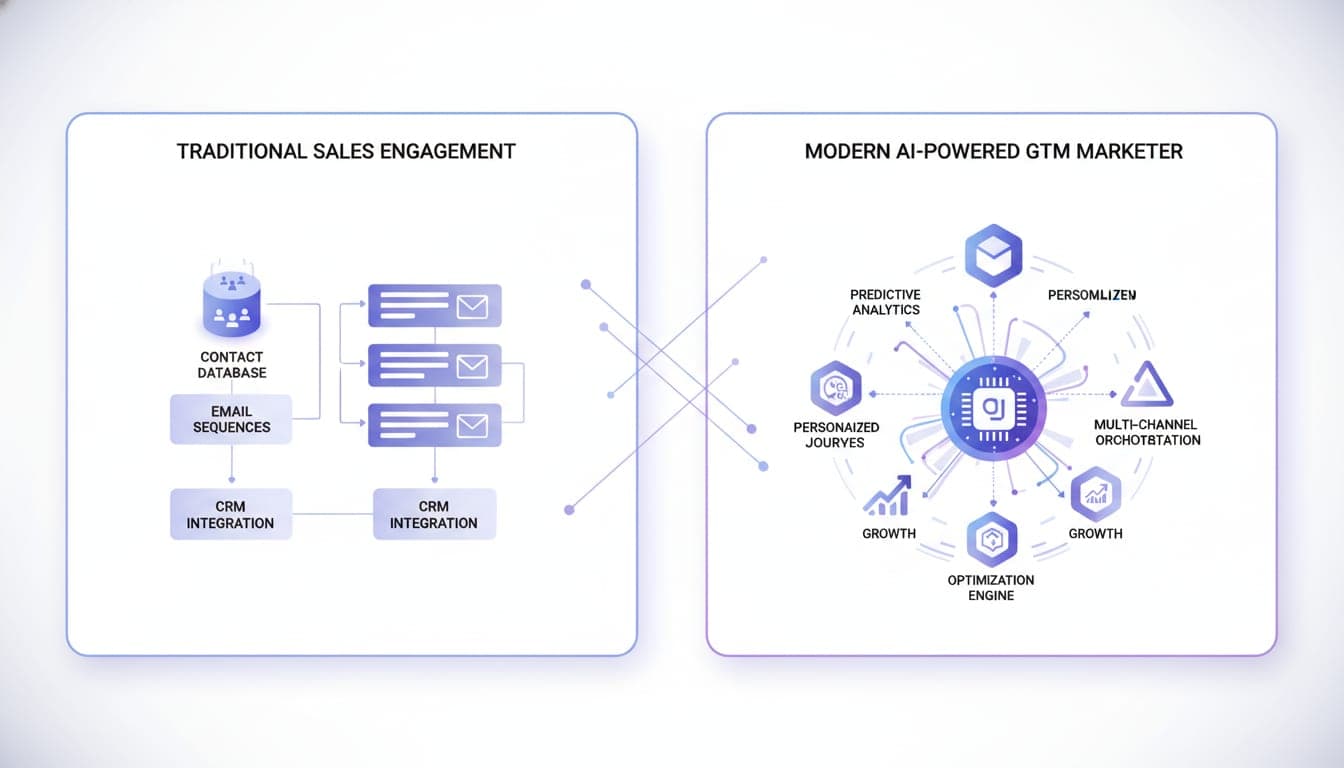
The fix is not a better template. It's not a smarter Apollo sequence or a more creative Instantly A/B test. Those tools optimize delivery. They don't fix the message.
The problem is the message itself. Templates are built for volume. Personalization that gets replies is built for one person at a time.
The manual workflow
| Step | Tool | Cost |
|---|---|---|
| Enrich lead data | Clay, Clearbit | $150-$500/mo |
| Research each prospect | Manual LinkedIn review | 10-15 min/lead |
| Write individual emails | Copywriter or SDR | 5-10 min/lead |
| Load into sequencer | Instantly, Smartlead | $100-$300/mo |
| Total for 50 leads | Multiple tools + hours of SDR time | $impractical at scale |
The alternative: skip the research and send templates. Faster, but 1% reply rates.
What Mark builds from that one message
For each lead in your list:
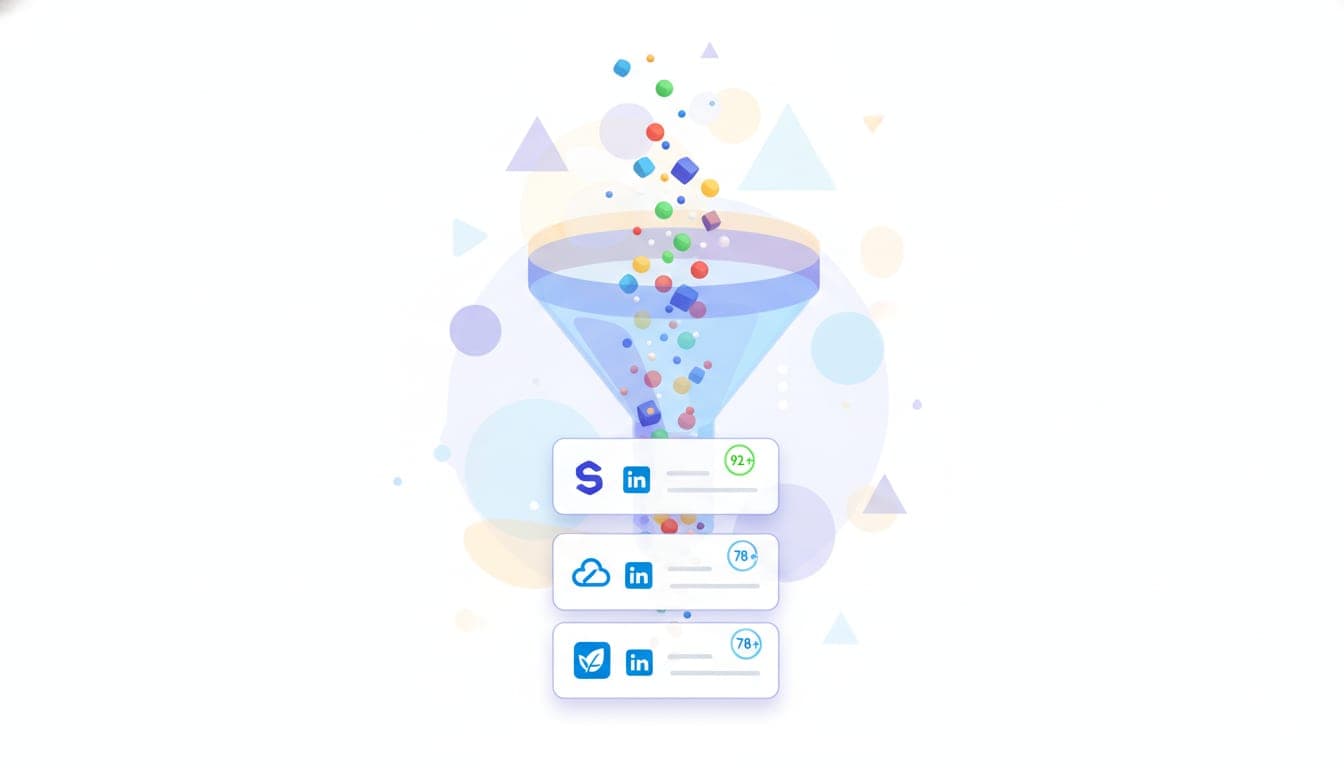
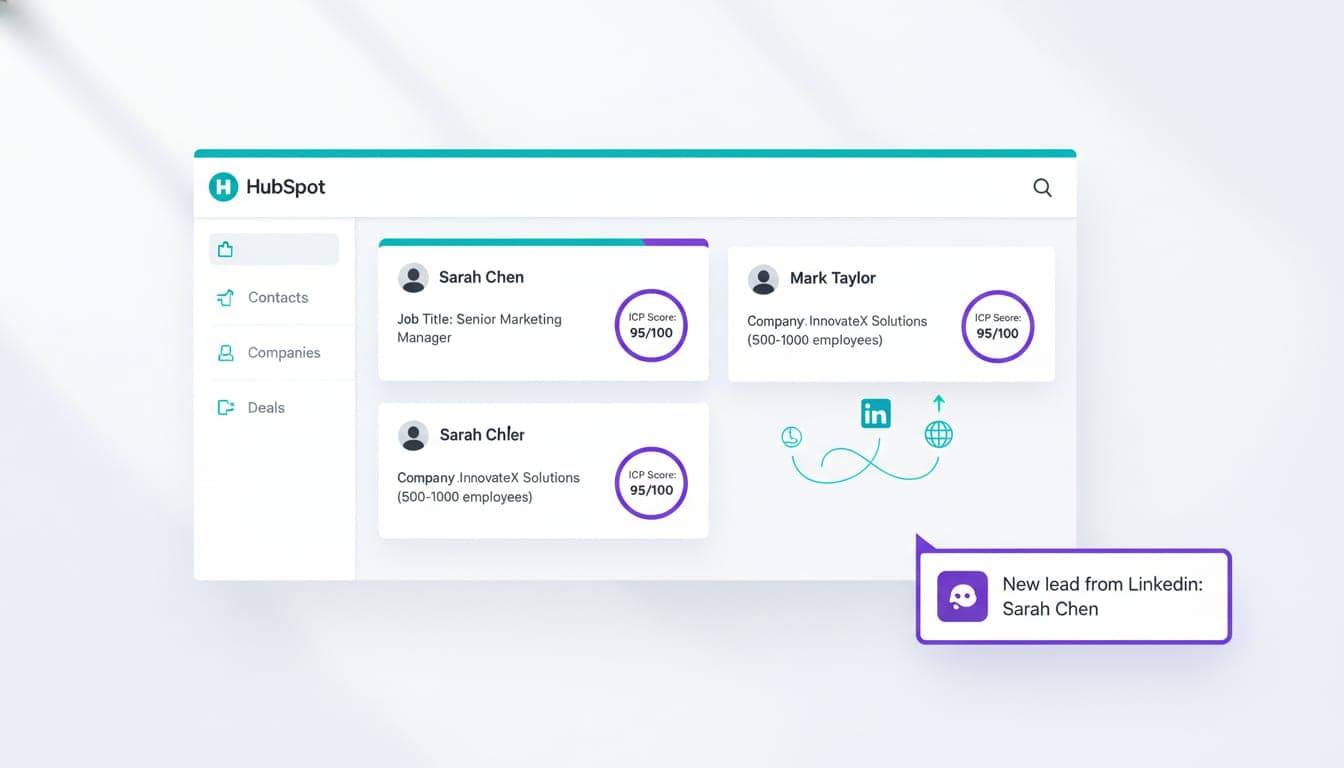
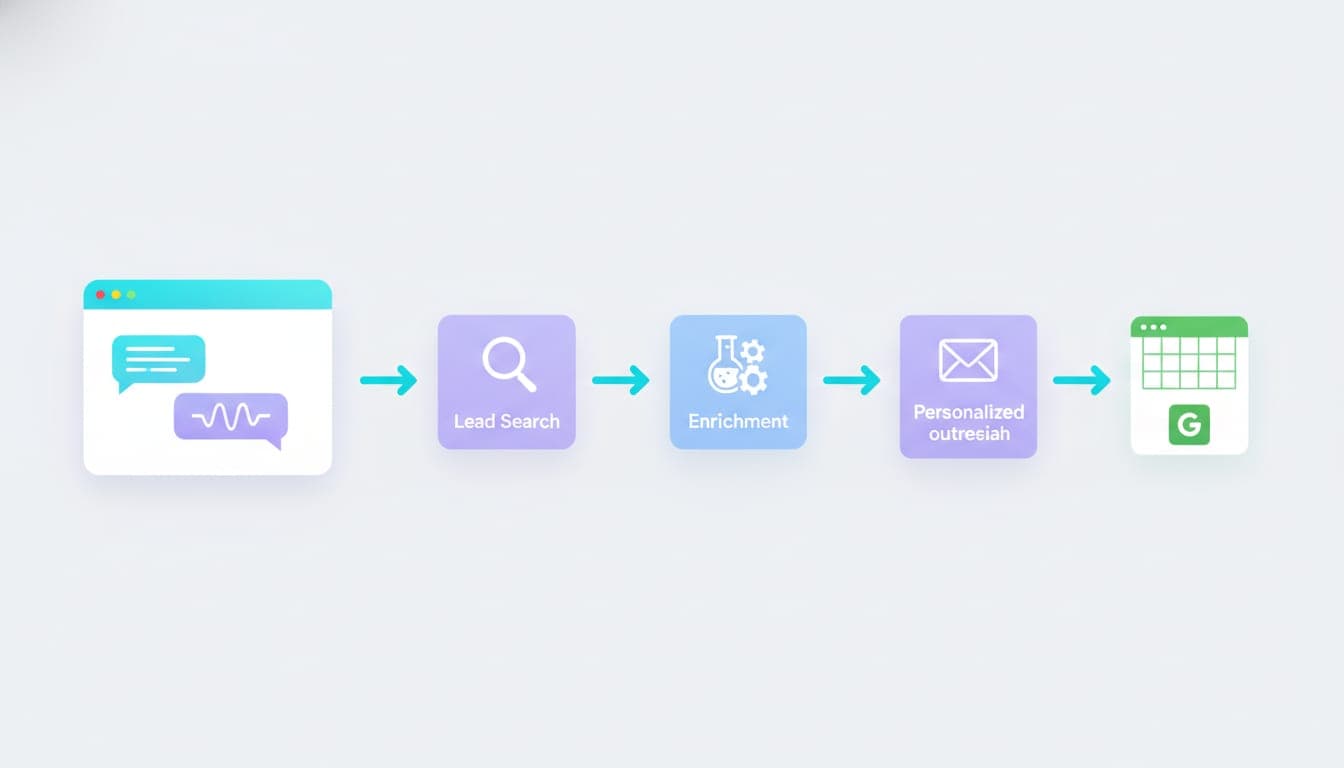
- Reads their LinkedIn profile - not just the headline. Full career history, About section, how long in the role, where they came from.
- Researches their company - what it does, how big, what stage, what tools they use.
- Finds the observation - the specific detail that makes this person's situation interesting. A recent role change. A career pattern. A gap between their company stage and their prior experience.
- Writes one email - not from a template. From the observation. A genuine question that proves you looked at their situation.
What these emails look like
A template-based email for a Head of Growth at a 23-person company:
Hi Vincent, I noticed you recently joined Userled as Head of Growth. Congratulations! I'd love to show you how Airtop can help you scale your outbound. Are you free for 15 minutes this week?
That's a template with a name swapped in. Vincent gets 30 of these a week.
What Mark writes instead:
Vincent - you moved from leading growth at a mid-stage company to a 23-person team. That usually means rebuilding the playbook from scratch with a fraction of the resources. Curious how you're thinking about scaling outbound without a full ops team behind you?
No product mention. No meeting ask. Just a question that proves you looked.
Other things you can say to Mark
"Write LinkedIn connection messages instead of emails. Same research depth. Keep it under 300 characters."
"Add a follow-up email that references something different from the first email. No bump messages."
"Only write emails for leads with an ICP score above 70. Skip the rest."
"Match the tone of this example email I wrote: [paste your best email]"
How Airtop compares to other personalization approaches
| Templates + merge tags | LLM-based personalization | Airtop compiled agent | |
|---|---|---|---|
| Research depth | None - just merge fields | Shallow summaries | Full LinkedIn + company research |
| Uniqueness | Same email, different name | Variations on a theme | Truly unique per lead |
| Cost per email | $0.01 | $0.10-$0.50 | ~$0.01-$0.03 |
| Speed | Instant | Seconds per email | Seconds per email |
| Reply rate impact | 1-2% typical | 3-5% typical | 5-15% typical |
Airtop agents compile the research and writing workflow into deterministic code. The AI reasons once to design the process. Then the agent executes it at the cost of templates and the quality of manual research.
Common mistakes with cold email personalization
Confusing merge tags with personalization. Swapping in a first name and company name is not personalization. Every recipient knows it's automated. Real personalization references something only a human who researched them would know.
Opening with your product. The first line should be about the recipient, not about you. Lead with an observation about their situation.
Asking for a meeting in the first email. The goal of a cold email is a reply, not a booked meeting. Ask a genuine question instead.
Writing long emails. Under 75 words. Three to four sentences. If your email has a second paragraph, it's too long.
Cost and scaling
Manual research + individual writing costs 15-25 minutes per lead. At $50/h SDR cost, that's $12-$20 per email. At 50 emails per week, you're spending $600-$1,000/week on personalized outreach alone.
Airtop agents run ~10x faster and ~100x cheaper. 1,000 personalized emails cost roughly $10-$30 in compute. Same research depth as your best SDR on their best day - for every lead in the list.
FAQ
How does Airtop research each prospect for cold email personalization?
The agent reads the prospect's full LinkedIn profile - career history, About section, current role tenure, previous companies - and their company's firmographic data. It identifies a specific observation and writes from that.
Can I control the tone and style of cold emails Airtop writes?
Yes. Paste an example email you like and tell Mark to match the tone. You can also specify constraints like word count, whether to include a CTA, and what topics to avoid.
What reply rates do hyper-personalized cold emails typically get?
Teams using observation-based personalization report 5-15x the reply rates of template-based outreach. The exact number depends on your ICP, offer, and targeting quality.
Can Airtop write follow-up emails that reference different observations?
Yes. Tell Mark to write a follow-up that references something different from the first email. The agent finds a second observation from the same research data.
Can Airtop send the emails directly or does it just draft them?
Both. Agents can draft emails to a Google Sheet for review, or send directly via Gmail. For cold outreach, most teams draft first, review a sample, then approve the batch.
How does Airtop personalization compare to using Clay with an AI writer?
Clay enriches data and can pass it to an AI writer, but the writer only sees the structured fields Clay provides. Airtop agents read the prospect's full LinkedIn profile in context - career trajectory, writing style, professional narrative - and write from that full picture.