Most founders and GTM leaders wonder: can AI truly replace a marketing agency? The answer isn't black and white. In 2026, AI has become a powerful tool for automating many execution-heavy tasks, but strategic, creative, and relationship-driven aspects still rely heavily on human expertise. This article dives into the core questions: Is AI marketing as good as an agency? How do costs compare? And what roles are likely to be replaced?
Can AI Replace a Marketing Agency?
The short answer: AI can replace the execution-heavy parts of a marketing agency—such as content production, data reporting, and ad optimization—but it cannot yet fully replace high-level strategy, emotional intelligence, or complex relationship management.
The Rise of AI Agents
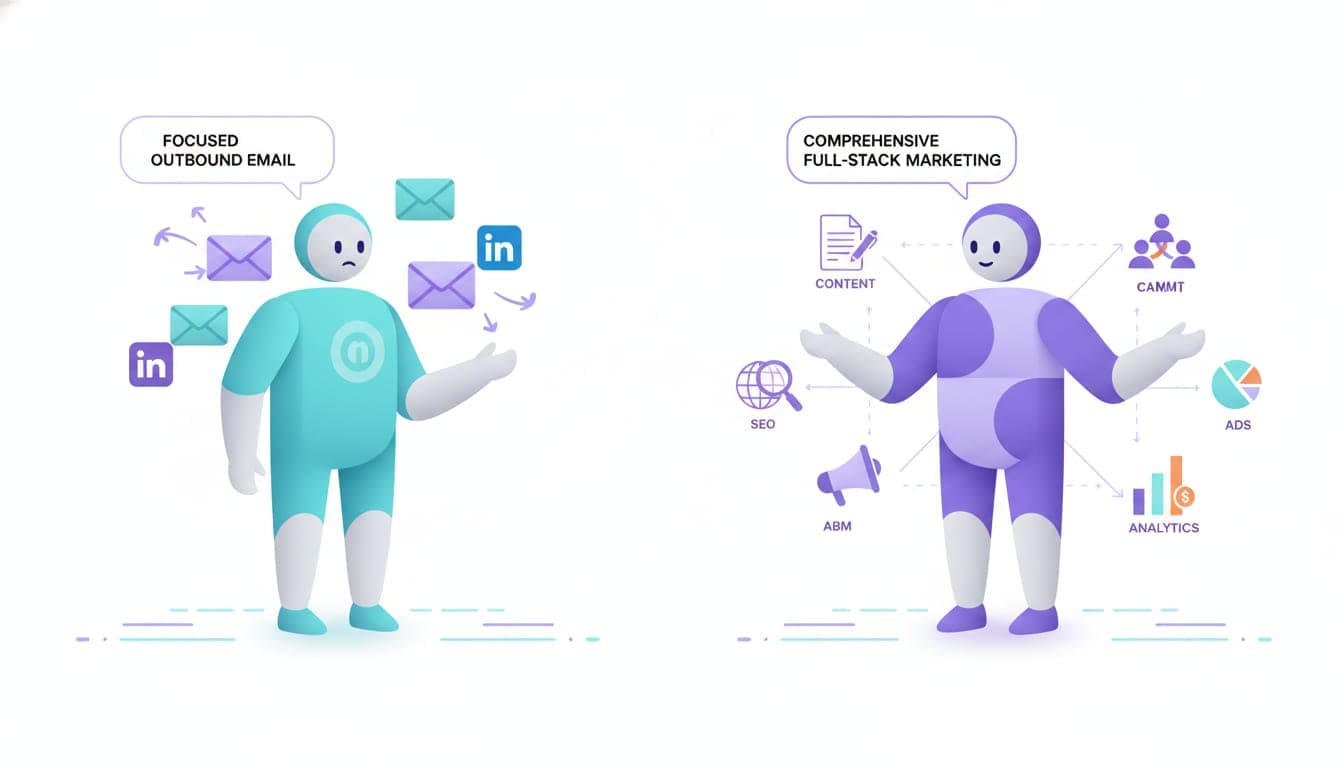
AI agents now handle end-to-end workflows like research, drafting, and publishing without human intervention. For example, tools like Airtop's Mark can automate lead generation campaigns, SEO content creation, and even influencer outreach, all through natural conversations. Instead of stitching together six SaaS tools, try Mark — it builds and runs the whole pipeline.
The Human Advantage
Agencies excel at unspoken concerns and client feedback that require emotional intelligence. They navigate local culture nuances, manage PR crises, and craft narratives that resonate on a human level. While AI can assist, it still struggles with the subtleties of brand empathy and complex relationship management.
The Hybrid Model
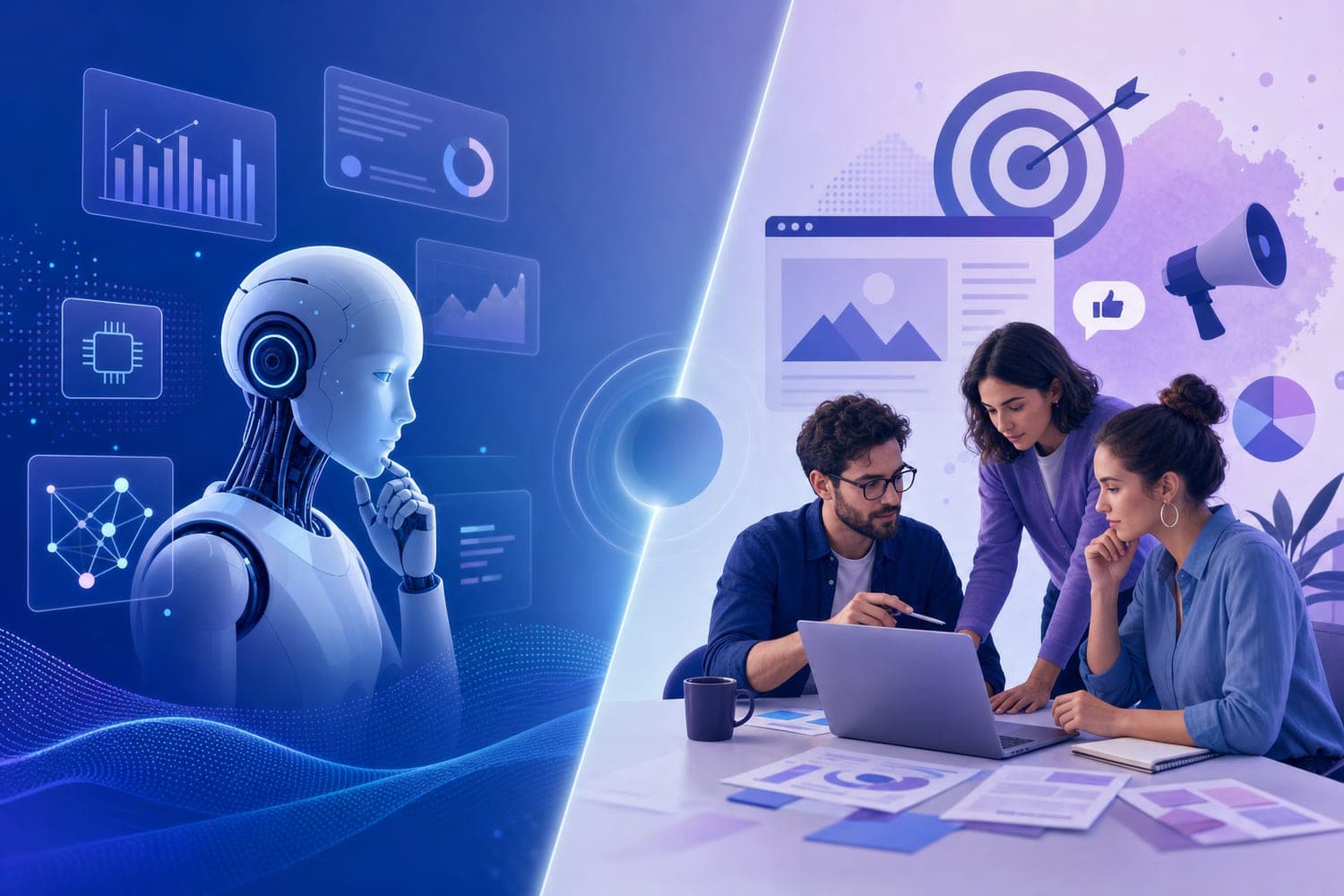
Most successful companies adopt a hybrid approach: AI handles the labor-intensive tasks, while humans focus on strategic oversight and creative judgment. According to this analysis, AI now automates 88% of daily repetitive marketing tasks, but strategic roles remain human-led.
Is AI Marketing as Good as an Agency?
AI excels in speed, scale, and data processing. It can produce 2x to 4x the content volume of a human team and optimize campaigns in real-time, often delivering a 70% higher ROI when integrated properly. However, AI often falls short in originality, emotional nuance, and cultural context.
Strengths of AI
- Handles massive datasets for pattern recognition and real-time monitoring.
- Executes rapid testing and optimization, reducing campaign launch times from weeks to days.
- Offers hyper-personalization at scale, reaching segmented audiences with tailored messages.
Limitations of AI
- Produces generic content that can hurt long-term brand authority if not carefully edited.
- Lacks the ability to craft emotionally compelling narratives.
- Can hallucinate or generate biased outputs, requiring human oversight.
The Best of Both Worlds
Most businesses find that combining AI with human oversight yields the best results. As this head-to-head comparison shows, AI-native agencies are 20–40% less expensive on retainer but still need human input for emotional storytelling and cultural nuance.
How Much Does a Marketing Agency Cost vs AI?
Traditional marketing agencies typically charge $2,500 to $15,000+ per month, depending on scope and scale. For example, a mid-market agency might cost around $5,000 per month, totaling $60,000 annually. In contrast, AI marketing platforms and tools cost from $50 to $2,000 per month, representing a 60% to 90% reduction in costs.
Cost Breakdown
| Cost Type | Agency | AI Platform |
|---|---|---|
| Monthly Cost | $3,500–$7,500 | $50–$500 |
| Annual Cost | $42,000–$90,000 | $600–$6,000 |
| Hidden Costs | Onboarding, management, review | Learning curve, prompting, oversight |
The Economic Shift
Most founders underestimate the hidden costs of agency management—onboarding, internal management hours, and review cycles. Replacing a $5,000/month agency with an AI stack can save upwards of $55,000 annually. Plus, AI tools like Airtop's Mark can automate entire workflows, reducing the need for large teams.
The Future of Marketing: Strategic Roles and Ethical Considerations
While AI replaces many routine tasks, strategic thinking, creative judgment, and relationship management remain human domains. As industry analyst this report suggests, the role of the marketer is shifting from creator to orchestrator of AI systems.
Ethical and Legal Liability
One gap in current AI marketing is accountability. Who is responsible if an AI-generated ad causes a PR crisis or hallucinated content? This remains an evolving legal question in 2026, with companies and agencies needing clear frameworks.
Long-term Brand Health
Relying solely on AI risks algorithmic homogeneity—brands starting to look and sound the same. Maintaining long-term brand distinctiveness requires human insight and creative leadership.
Final Thoughts
Most GTM leaders should view AI as a powerful augmentation rather than a wholesale replacement for agencies. The key is understanding which parts of your marketing stack can be automated and where human judgment is irreplaceable.
Tools like Mark can automate this entire workflow from a single conversation, freeing your team to focus on strategic growth rather than execution. As the industry evolves, the smartest move is to blend AI efficiency with human creativity.