How Do You Turn "I Know My Customer" Into a Targeting Strategy?
You describe your best customers in plain language. Airtop Mark extracts the structure - segments, job titles, company sizes, buying triggers - and saves it as a live document that every agent reads at runtime.
What you say to Mark
"My best customers are non-technical marketing and sales leaders at small B2B SaaS companies. They don't have a RevOps team yet. They're doing everything manually and it's not scaling. I also sell to RevOps people at slightly bigger companies who are looking for automation."
Mark turns that into structured ICP segments immediately.
Why most ICP definitions fail
Every founder knows who their best customers are. Few have it written down in a way that anyone else can use.
The ICP usually lives in one of three places: the founder's head, a slide deck from last year's offsite, or a spreadsheet with 15 columns that nobody updates. None of these are usable for targeting, scoring, or agent configuration.
The conventional approach: hire a consultant, run a workshop, produce a slide deck with personas. The sales team ignores it. The marketing team outgrows it. It never connects to anything.
What Mark builds from that conversation
- Identifies distinct segments - not one blob of "ideal customers." Each segment gets its own profile with clear boundaries.
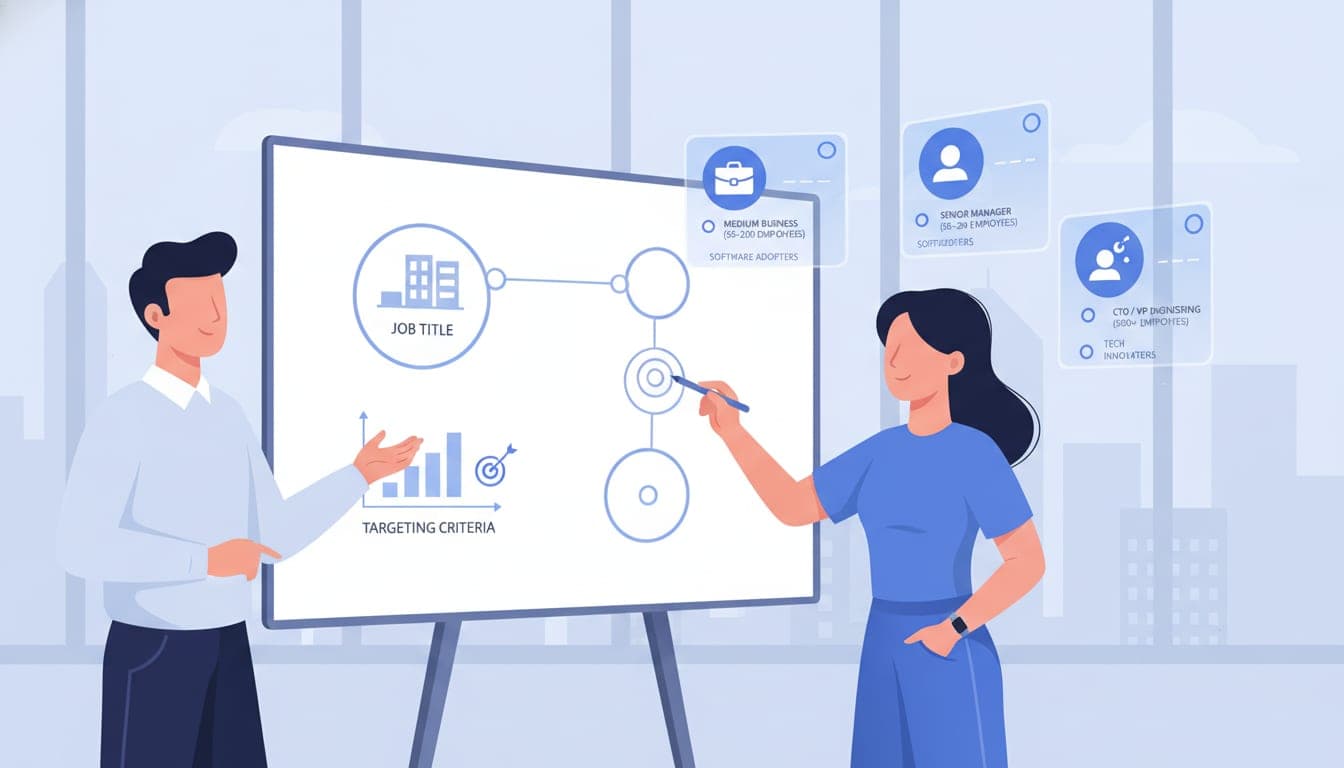
- Structures each segment - job titles, seniority, company size, industry, buying triggers, pain points. Every field you need to target them.
- Asks the right follow-ups - "What size companies?" "What's the typical job title?" "What makes them ready to buy?" It fills in the gaps you didn't think to mention.
- Saves it as a live document - the ICP is not a static file. Every agent Mark builds reads it at runtime. Update the ICP once, and every agent that scores, filters, or targets leads updates automatically.
What you get
Instead of a vague description, you get structured segments:
- Segment 1: Non-Technical GTM Leaders - Head of Marketing / VP Sales, 5-50 employees, no RevOps team, doing manual outreach
- Segment 2: Sales Ops and RevOps - RevOps Manager / Sales Ops Lead, 10-200 employees, evaluating automation tools
Each segment is immediately actionable. Say "build a campaign for Segment 1" and Mark knows exactly who to target.
Other things you can say to Mark
"Add a new segment for agency founders who manage outbound for multiple clients"
"Update Segment 1 to include companies with 10-200 employees instead of 5-50"
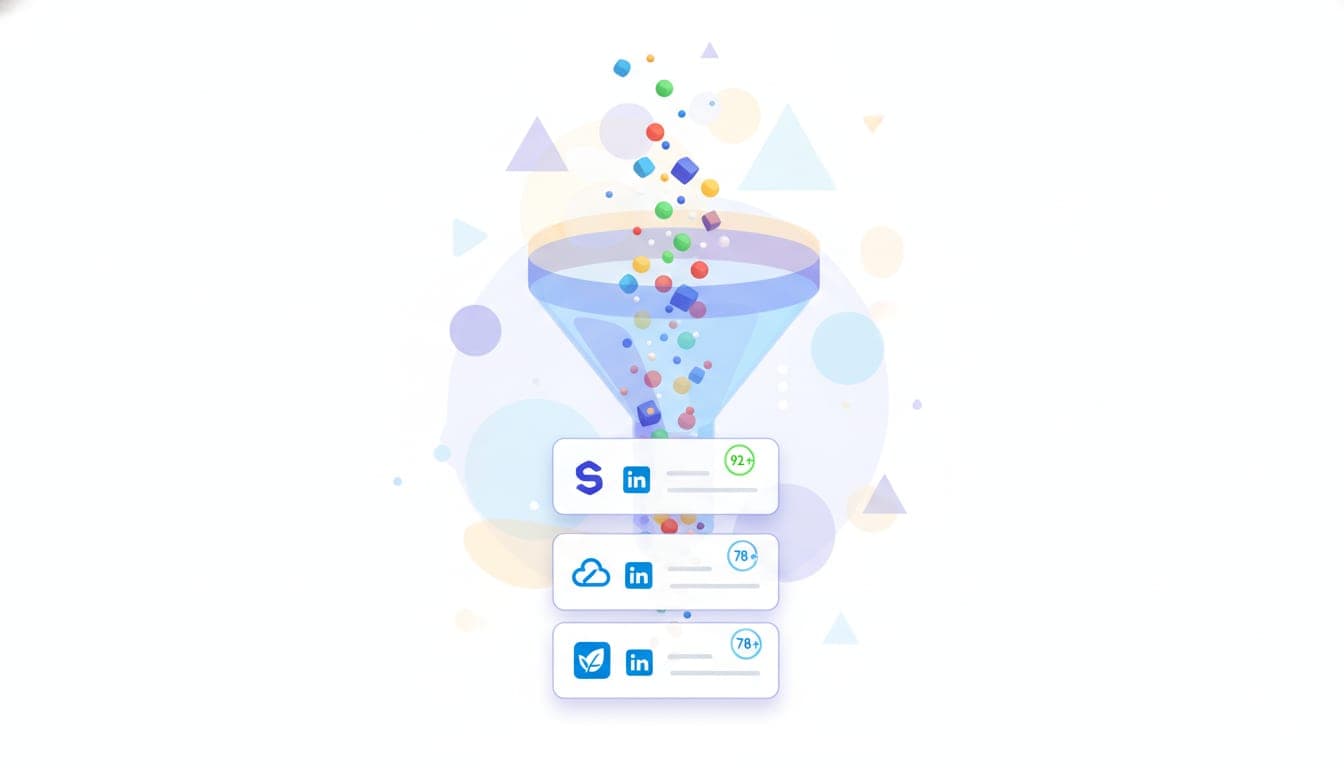
"Score this list of leads against my ICP and tell me which segment each one matches"
"Help me refine my ICP based on which leads converted last quarter"
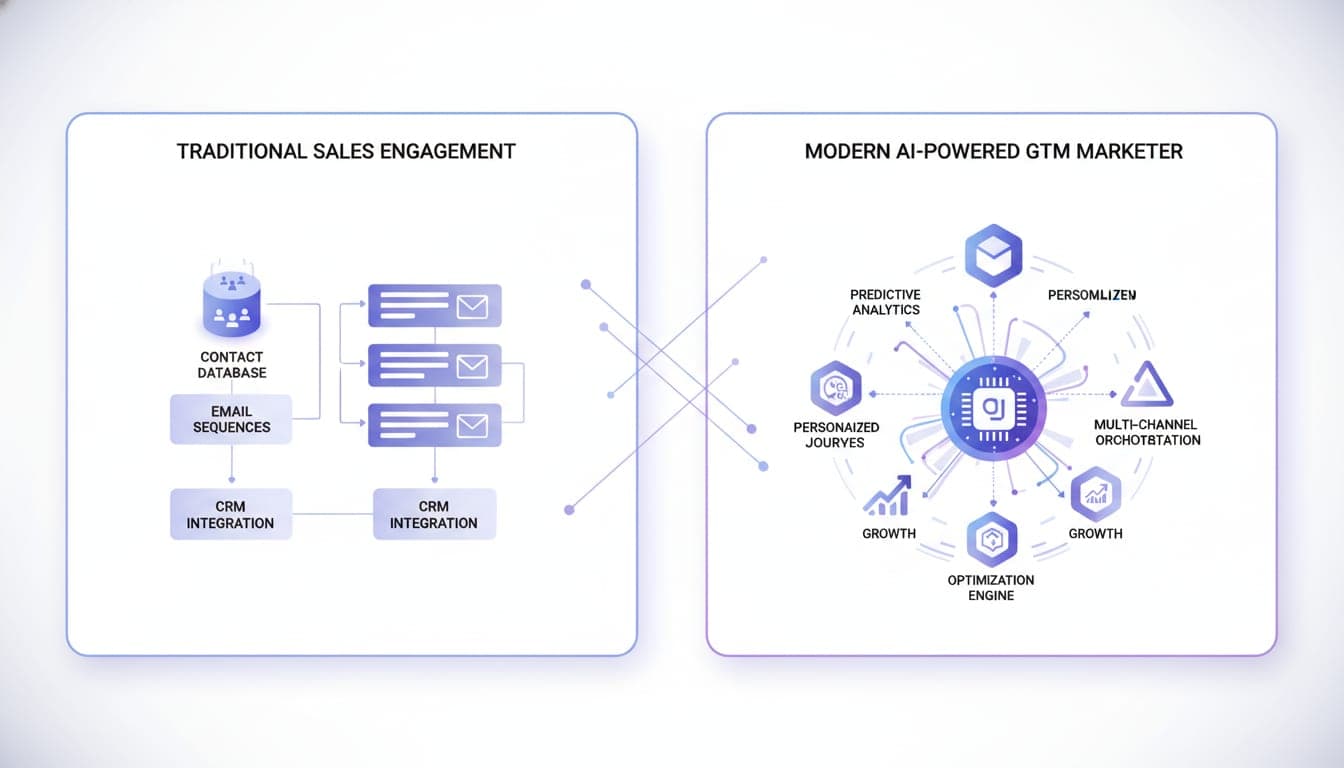
How Airtop ICPs compare to traditional persona documents
| Traditional personas | Spreadsheet-based ICP | Airtop live ICP | |
|---|---|---|---|
| Creation | Workshops and consultants | Manual data entry | One conversation |
| Format | Slide deck or PDF | Google Sheet | Structured live document |
| Updates | Quarterly if ever | When someone remembers | Any time via conversation |
| Connected to tools | No | Manual copy paste | Every agent reads it automatically |
| Actionable | Not directly | Requires translation | Directly usable for targeting |
Common mistakes with ICP definition
Making it too broad. "B2B SaaS companies" is not an ICP. You need specific job titles, company size ranges, and buying triggers that separate your best customers from everyone else.
Having only one segment. Most companies sell to 2-4 distinct buyer types. A single ICP forces you to write generic messaging that resonates with nobody.
Never updating it. Your ICP is a hypothesis, not a fact. It should evolve as you learn which leads convert and which don't.
Not connecting it to anything. An ICP in a slide deck does nothing. An ICP that every scoring agent, enrichment workflow, and outreach campaign reads automatically changes how you run GTM.
Cost and scaling
A typical ICP workshop with a consultant costs $5,000-$15,000 and takes 2-4 weeks. The output is a static document that starts decaying immediately.
Mark builds the same thing in one conversation at no additional cost. And it stays connected to every agent you build. Update it anytime. No rebuilds.
FAQ
How does Airtop structure an ICP from a conversation?
Mark extracts job titles, seniority, company size, industry, buying triggers, and pain points from your description. It organizes them into distinct segments with clear boundaries. If any fields are missing, it asks follow-up questions.
Can Airtop ICP segments be used directly for lead scoring?
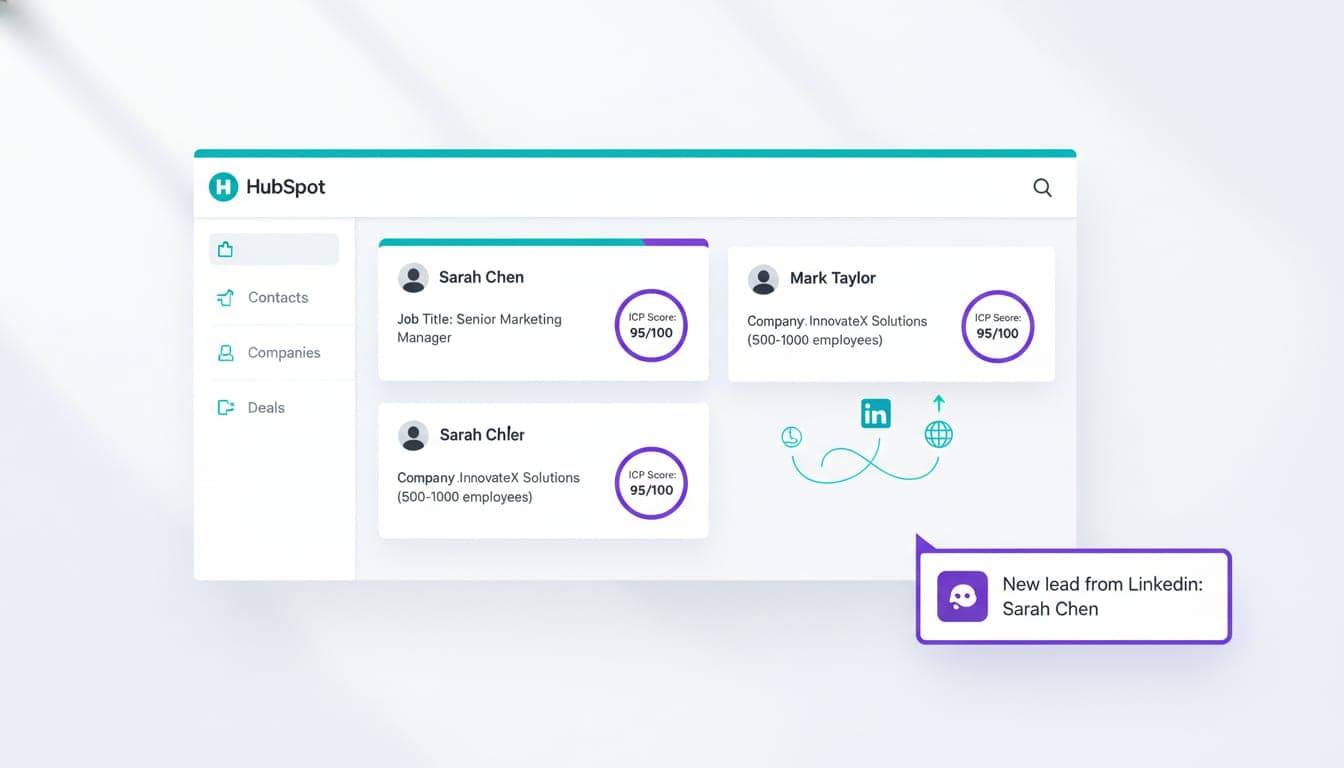
Yes. Every agent Mark builds - lead scoring, enrichment, outreach - reads your ICP at runtime. Scoring agents evaluate leads against the specific criteria in each segment.
How is an Airtop ICP different from a buyer persona?
A buyer persona is a narrative document with demographics and motivations. An Airtop ICP is a structured, machine-readable document with specific filtering criteria that agents use to score, target, and prioritize leads.
Can I update my ICP after agents are already built?
Yes. Tell Mark what to change. The ICP updates immediately, and every agent that references it picks up the changes on the next run. No rebuilds.
How many ICP segments should I define?
Most companies have 2-4 distinct segments. Start with your two best customer types. Add more as you learn what converts.
Can Airtop help refine my ICP based on actual conversion data?
Yes. Share which leads converted and which didn't. Mark identifies patterns and suggests adjustments to your segments, tightening criteria around what actually works.